
Termite treatment is essential for residents to protect their homes from these wood-eating pests. The best termite treatment can eliminate active infestations and prevent future ones. Here we mention some common termite treatments.
 .
.
-
Liquid Soil Treatments
Termiticides: There are chemicals used to create a barrier in the soil around the home, preventing termites from entering and exiting. Commonly used termiticides include Fipronil, Imidacloprid, and Permethrin.
- Non-repellent termiticides: These are undetectable by termites, allowing them to come into contact or ingest the termiticide and transfer it to other members of the colony.
- Bait Stations
- Termite bait stations are installed in the ground around the home at regular intervals.
- The bait contains cellulose (wood) that attracts termites and a slow-acting insecticide. When termites consume the bait, they carry it back to the colony, gradually poisoning and eliminating the entire colony over time.
- Wood Treatment:
- These treatments involve the application of termiticides directly to wood for protection against termites. This can include surface sprays, injected sprays, and foams.
- Borate-based treatments are popular for pre-construction treatments. They penetrate the wood and offer long-term protection.
- Foam Treatments:
- Foams can be used in wall voids and other inaccessible areas to treat active termite infestations. The foam expands, ensuring coverage of hidden areas where termites may be active.
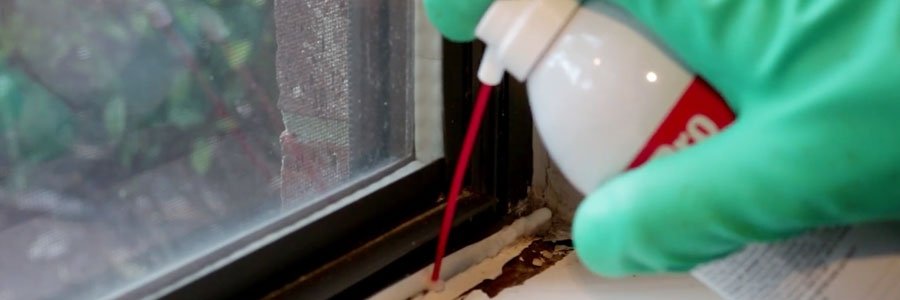
- Foams can be used in wall voids and other inaccessible areas to treat active termite infestations. The foam expands, ensuring coverage of hidden areas where termites may be active.
- Fumigation:
- This method is primarily used for Drywood termites, which live in the wood they consume and do not travel to the soil.
- The affected property is covered with tarps, and a gas (like Vikane) is released inside. This gas penetrates all areas of the structure and eradicates the termites.
- This is a complex process and requires residents to vacate the property for several days.
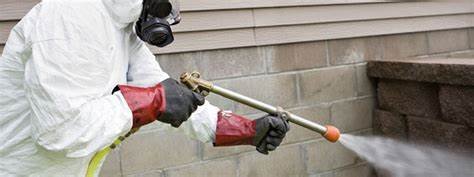
- Heat Treatment:
- Also primarily used for Drywood termites, this method involves heating the infested structure to a temperature lethal to termites.
- Residents must also leave during the process, and some precautions must be taken regarding items inside the house.
Prevention Measures:
- Regular Inspections: Having regular termite inspections by a professional can help detect and address any termite activity before it becomes a major issue.
- Moisture Control: Termites are attracted to moisture. Ensure good drainage, fix leaks, and maintain gutters to reduce attractiveness to termites.
- Barrier Systems: Physical barriers, such as metal shields, and crushed rock or sand barriers, can be used, especially during construction, to prevent termite access.
- Maintain a Gap: Keep an 18-inch gap between soil and any wood parts of the house. This will make it harder for termites to access the wood.
It’s essential to get professional advice when considering termite treatment, as the most effective method can vary depending on the species of termite, extent of the infestation, and the construction of the home. We recommend you may hire professional to control these insects because it brings huge damages in your properties. And you lose a lot through this. Sometime your pets as well as you precious things.